
Summer 2026 at Redwood Literacy

If someone you love has been diagnosed with dyslexia, you probably have some questions. And I bet a lot of those questions start with “why?”
Like all learning differences, dyslexia is accompanied by a host of assumptions and misconceptions. In order to serve and support dyslexic students, we must first understand the dyslexic brain. We’ve written previously about the next steps to take after your child has been diagnosed. Now let’s talk about what causes dyslexia.
What Causes Dyslexia? (And How Redwood Helps Kids Thrive Because of It)
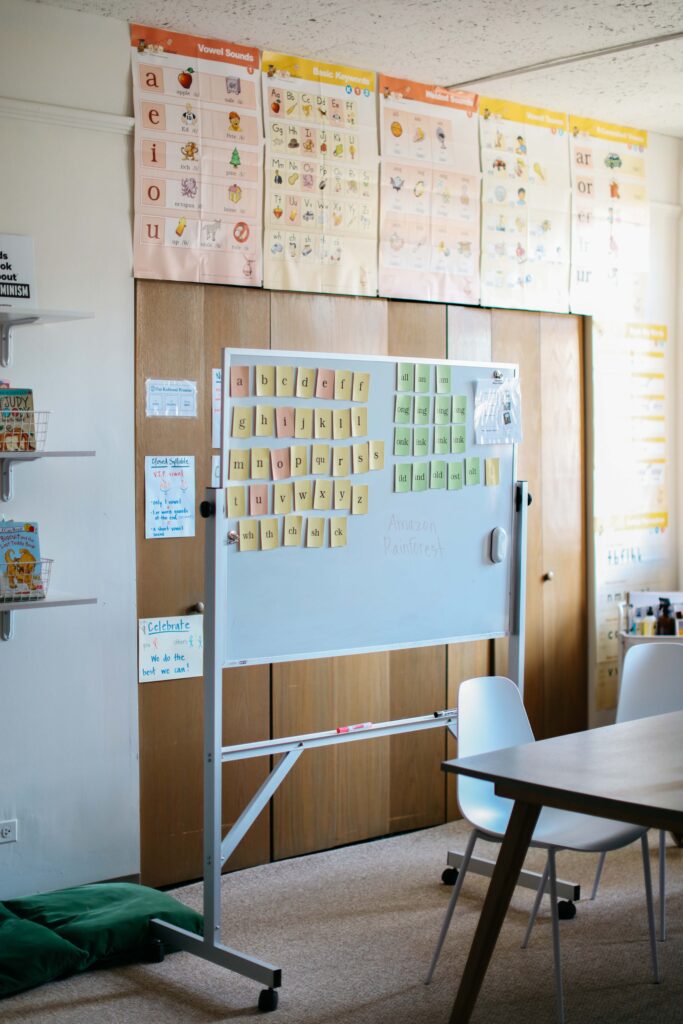
If someone you love has been diagnosed with dyslexia, you probably have some questions. And I bet a lot of those questions start with “why?”
Like all learning differences, dyslexia is accompanied by a host of assumptions and misconceptions. In order to serve and support dyslexic students, we must first understand the dyslexic brain. We’ve written previously about the next steps to take after your child has been diagnosed. Now let’s talk about what causes dyslexia.
6 Powerful Ways to Support Dyslexia

A group of researchers spent 20 years looking at what key traits allowed neurodivergent learners of all ages to overcome learning differences and thrive in school and adult life. They found that these six success attributes were the clear winners: self-awareness, proactivity, perseverance, goal setting, effective support systems, and emotional coping strategies.
This study demonstrated that when these attributes become ingrained, learning differences such as dyslexia are no longer the barriers they once were. And you, as a parent or caregiver or educator, can foster these essential strengths everyday, demonstrating the behaviors, explaining their value, and encouraging young people to mirror them until they become second nature.
According to the work of the Frostig Center, “These characteristics were more powerful predictors of success than numerous other variables, including IQ, academic achievement, life stressors, age, gender, socioeconomic status, and ethnicity.”
As is often the case in the world of literacy remediation, this work would also be a great benefit to the children in your life who have no problem reading. (How many people do you know who wouldn’t benefit from self-awareness, perseverance, emotional coping strategies…)
Getting SPACE: Taking a Step Back to Support Your Anxious Child

Modern parenting is hard. The expectations around helping our kids thrive—academically, socially, and emotionally—can feel heavy, even when things are going “right.” When we’re parenting a child with anxiety, that weight can feel crushing. At Redwood Literacy, we see every day how learning differences and mental health are deeply connected. When a child struggles to […]
How Do I Know if My Child is Making Math Growth?

Redwood Literacy’s Individualized Intervention & Data Plans At Redwood, we are deeply committed to ensuring that every student experiences academic growth, which is why we have developed an individualized progress monitoring plan that is both efficient and effective. By focusing on collecting the right data, being transparent and optimistic in how we share it, and […]
How Do I Know if My Child is Making Reading Growth?

Redwood Literacy’s Individualized Intervention & Data Plans At Redwood, we are deeply committed to ensuring that every student experiences academic growth, which is why we have developed an individualized progress monitoring plan that is both efficient and effective. By focusing on collecting the right data, being transparent and optimistic in how we share it, and […]
Building Hope Through Literacy: Two Stories of Transformation and Community
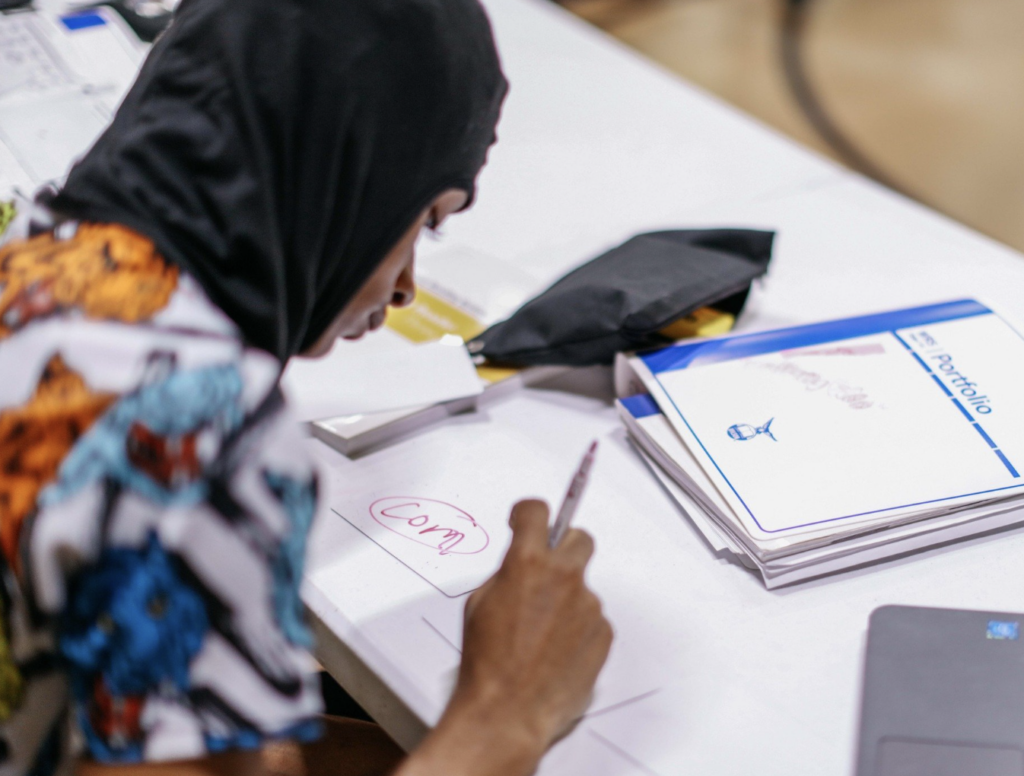
At Redwood Literacy, we’ve always believed that literacy is about more than just reading and writing — it’s about unlocking potential, restoring dignity, and building communities of hope. Two stories from our work this past year remind us just how powerful that belief can be.
Collaboration for Change: How Redwood and the Stern Center Are Empowering Teachers and Students

I just delivered a comprehensive, high-level writing lesson that only took five minutes to prepare. I’m teaching Writing Our World®, Redwood’s free writing and comprehension curriculum, to a 20-year-old who’s preparing for cosmetology school. As Redwood’s CEO, I’ve spent the past few years focused on nurturing a healthy, sustainable organization, and I’ve deeply missed direct […]
How Families Are Funding Redwood: Simple, Real-World Ways (Step-by-Step)
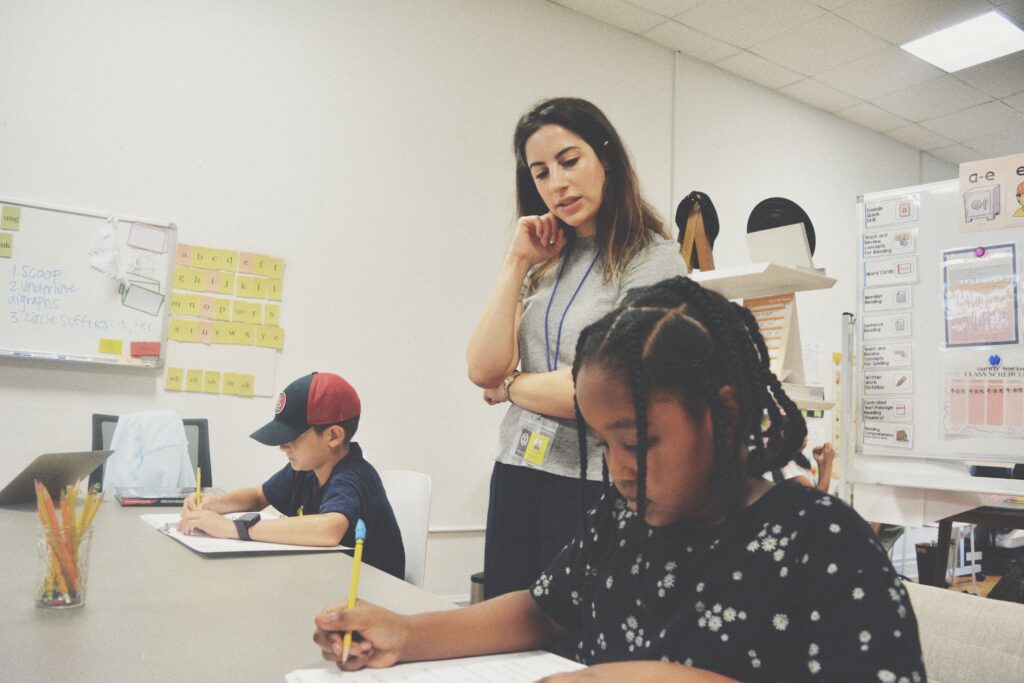
Ways Families Are Paying for Redwood
The First Three Things to do When Your Child Gets a Dyslexia Diagnosis
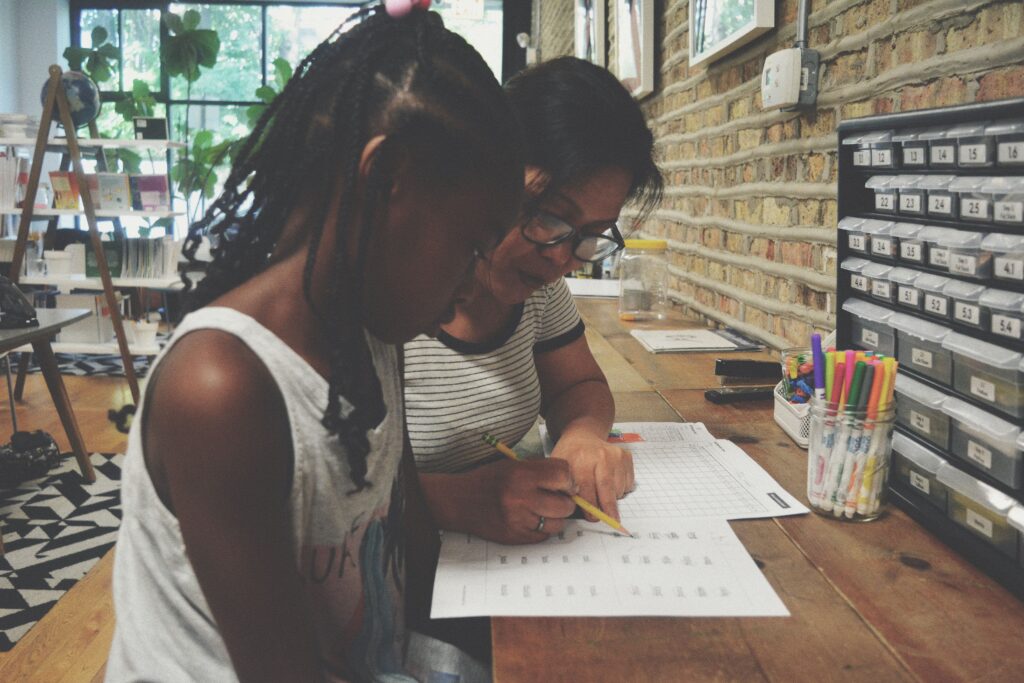
You’ve just learned your child has dyslexia. You’re worried, uncertain, besieged by difficult questions. What will school be like? How can I support her? Which intervention will be best? How can I assure him this doesn’t mean he’s not smart? What do I do now?