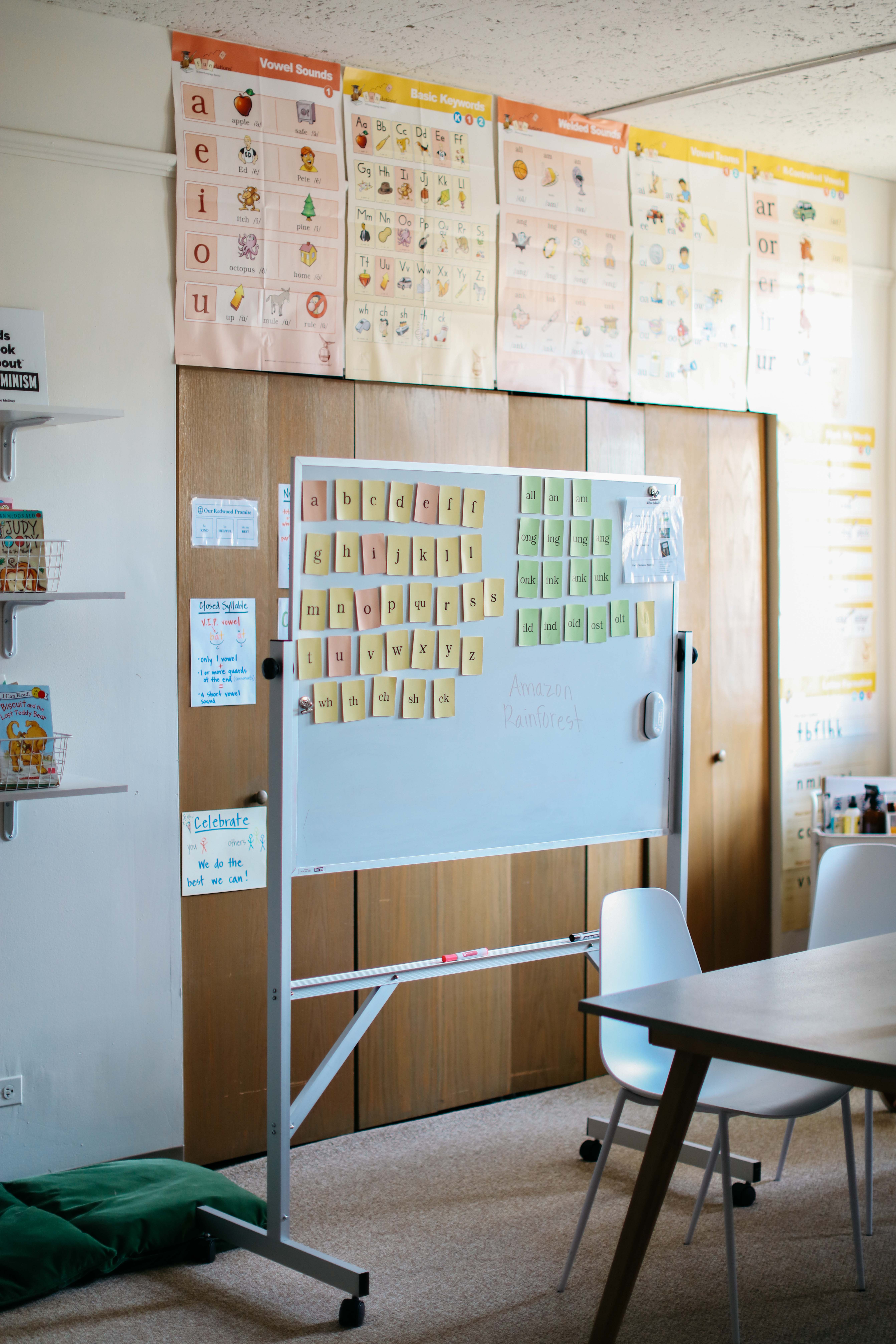
Modern parenting is hard. The expectations around helping our kids thrive—academically, socially, and emotionally—can feel heavy, even when things are going “right.” When we’re parenting a child with anxiety, that weight can feel crushing. At Redwood Literacy, we see every day how learning differences and mental health are deeply connected. When a child struggles to read, write, or grasp math concepts, it often shows up as anxiety, avoidance, or self-doubt long before the academic gap is fully understood. We know that addressing the anxiety around academic difficulties matters just as much as strengthening the foundational skills themselves. And, anxiety often shows up for our kids in areas beyond academics.
The psychologists at the Chicago Neurodevelopmental Center, a private practice in the Chicago area, see this connection as clearly as we do. They know that for many parents of anxious kids, life can start to revolve around anxiety. In anxiety’s grip, we may find ourselves walking on eggshells—offering constant reassurance, staying close by, or avoiding situations that might trigger worry. If you’ve ever rearranged your day to avoid your child’s meltdown, you’re not alone. It makes sense: when we see our child distressed, every instinct tells us to protect them.
On the flip side, some parents become frustrated and push their child to “just deal with it.” They believe their child can face their fears, and want the child to see it too. Both reactions come from love, but both can send an unhelpful message. One tells the child, “You can’t handle this feeling,” while the other says, “This feeling shouldn’t be a big deal.”
What if there was another way? What if you could support your child’s anxiety without feeding it—and without feeling like you have to fix everything yourself?
What Is SPACE?
SPACE (Supportive Parenting for Anxious Childhood Emotions) may offer that middle ground. Developed by Dr. Eli Lebowitz at the Yale Child Study Center, SPACE helps children and teens with anxiety or OCD by working directly with parents.
While traditional anxiety treatment often involves the child directly, SPACE empowers you—the parent—to make changes that help your child learn to cope more effectively. This can be especially valuable when your child resists therapy or when individual therapy alone hasn’t been enough.
At its core, SPACE is about supportive, confident parenting. It teaches you to communicate two key messages:
- “I understand how hard this feels.”
- “I know you can handle it.”
Through that balance—validation and confidence—you can reduce the behaviors that accidentally strengthen anxiety’s grip.
What Can You Expect?
Most families with an anxious child engage in something called accommodation: actions taken to reduce the child’s anxiety in the moment (like picking your child up early from school, answering repeated reassurance questions, or staying with the child at all times). These behaviors bring short-term relief but often reinforce anxiety over time.
A SPACE-trained therapist helps you:
- Understand your child’s anxiety patterns
- Identify where accommodation happens in your family
- Create a structured plan to gradually reduce those patterns
Reducing accommodation can be tough at first—your child may protest or feel heightened anxiety—but your therapist will guide and support you through each step.
Even small, consistent changes can lead to meaningful improvements:
- A parent who had to accompany their child upstairs to get dressed can now move smoothly through the morning routine—and feel less stressed getting out the door.
- A mother who used to answer repeated texts and calls from her child can now enjoy a dinner out—and have a positive reunion with her child when she returns home.
- A father once trapped in an elaborate two-hour bedtime routine can now connect calmly with his child—and still have time for himself afterward.
- Families who felt consumed by a child’s anxiety can rediscover flexibility—and balance the needs of all members.
These changes don’t happen overnight, but they are achievable with guidance, patience, and support.
What Can You Do?
Change happens when evidence-based intervention and supportive parenting work hand in hand. Redwood’s vast resources and partnerships help students make real academic progress and support parents in addressing all of their child’s needs. You can explore our resources for families and educators at Redwood Literacy.
If you’re interested in trying SPACE to support your child beyond their academic difficulties, you can reach out to the trained therapists at the Chicago Neurodevelopmental Center in Northfield, IL for in-person or virtual sessions. You can also find providers nationwide through the SPACE provider directory.
Because family accommodation is so common, some therapists offer SPACE groups, which can be a nice way to learn alongside other parents who “get it.”
If you’d like to explore on your own first, check out Dr. Eli Lebowitz’s book Breaking Free of Child Anxiety and OCD, which outlines the SPACE approach in a practical, accessible way.
You are never to blame for your child’s anxiety. But you do have the power to help change how your family responds to it. SPACE gives parents a roadmap—and hope. With small, thoughtful steps, you can help your child build confidence, resilience, and independence.