New research from Harvard says the brain differences behind reading struggles show up around 18 months old — years before most kids are ever screened. If you have a toddler or preschooler, that is not scary news. It is the best news early literacy has had in a decade, because the earlier we look, the easier the fix. Redwood Literacy now offers free early literacy screening in Nashville preschools this fall, and a weekly early literacy class starting January 2027.
What the Harvard study actually found
In June 2025, researchers from the Gaab Lab at the Harvard Graduate School of Education published a decade-long study in Proceedings of the National Academy of Sciences (Turesky, Escalante, Loh, & Gaab, 2025). They followed 130 children — the youngest just three months old — with repeated MRI scans from infancy through second grade, then measured their literacy skills.
The headline: brain development trajectories of children who later struggled with reading began to diverge from their peers at around 18 months of age — not at five or six, when formal reading instruction begins, and certainly not in second or third grade, when most struggling readers are finally identified.
“Our findings suggest that some of these kids walk into their first day of kindergarten with their little backpacks and a less-optimal brain for learning to read… We’re currently waiting until second or third grade to find kids who are struggling readers. We should find these kids and intervene way earlier because we know the younger a brain is, the more plastic it is for language input.” — Dr. Nadine Gaab, Harvard Graduate School of Education (Harvard Gazette)
The study also confirmed the mechanism: those early brain differences predicted later word reading through phonological processing — a child’s ability to hear, hold, and manipulate the sounds in spoken words. Phonological processing is the single strongest early predictor of reading, and it is highly teachable. In toddlers and preschoolers, it is taught through rhyme, song, sound games, and rich talk — not worksheets.
Why waiting until kindergarten is the expensive choice
Every family we work with arrives with the same question: “Should we just give it more time?” The research answer is no — and the reason is math, not fear.
- Brain plasticity is highest when children are youngest. The same skill that takes 20 minutes a day at age three can take years of remediation at age nine.
- Nothing is lost yet. Early support happens before a child has spent 500 days deciding they are “the dumb kid.” Confidence damage takes longer to repair than decoding does.
- It costs dramatically less. Preventive early literacy instruction is a fraction of the cost of multi-year intensive intervention, tutoring, testing, and accommodations later.
- A dyslexic brain is not a broken brain — it is a higher-energy one. It takes more repetitions and more explicit instruction to build reading pathways. Starting early means those repetitions land while learning is cheapest.
Literacy is the backbone of everything else in school
Reading is not one subject. It is the delivery system for every other subject. A fourth grader who cannot read fluently cannot access their science text, their word problems, or their history assignment — so a reading gap quietly becomes a knowledge gap, then a confidence gap, then a behavior or avoidance gap.
Two frameworks explain why reading and writing take so long to build, and why they cannot be left to chance:
- The Reading Rope (Hollis Scarborough, 2001) shows skilled reading as many strands braided together — phonological awareness, decoding, and sight recognition on the word-recognition side; background knowledge, vocabulary, language structures, verbal reasoning, and literacy knowledge on the comprehension side. See the model at Reading Rockets.
- The Writing Rope (Joan Sedita, 2019) does the same for writing — critical thinking, syntax, text structure, writing craft, and transcription (spelling and handwriting). See it at Keys to Literacy.
Notice what the toddler-and-preschool years build: the oral language, vocabulary, background knowledge, and phonological awareness strands. Those strands are already under construction long before a child reads a word — which is exactly what the Harvard findings show at the brain level. Strengthening them early does not just help reading. It builds critical thinking, listening comprehension, and the ability to express an idea clearly, which is the whole point of school.
Free early literacy screening in Nashville preschools this fall
Redwood Literacy is spending fall 2026 in East Nashville preschools offering free early literacy screenings. A screening is short, playful, and not a diagnosis — it is a look at the specific pre-reading skills that predict later reading, so families know whether to keep doing what they are doing or add support now.
If you live in East Nashville: ask your preschool director about Redwood Literacy’s free screening process. If they have not heard from us yet, tell them to reach out — we will come to them. Directors can also contact us directly to schedule a screening day for their whole program.
Parents can also skip the wait: book a free 15-minute call with Kait Feriante, co-founder of Redwood Literacy and Site Manager at Redwood Nashville, and she will walk you through what a screening looks like and whether your child is ready for one.
Little Readers by Redwood: a weekly early literacy class at Woodland Play Cafe
Launching in 2027, Redwood Literacy is partnering with Woodland Play Cafe (823 Woodland Street, East Nashville) to offer a weekly early literacy class for children roughly 18 months to 5 years old.
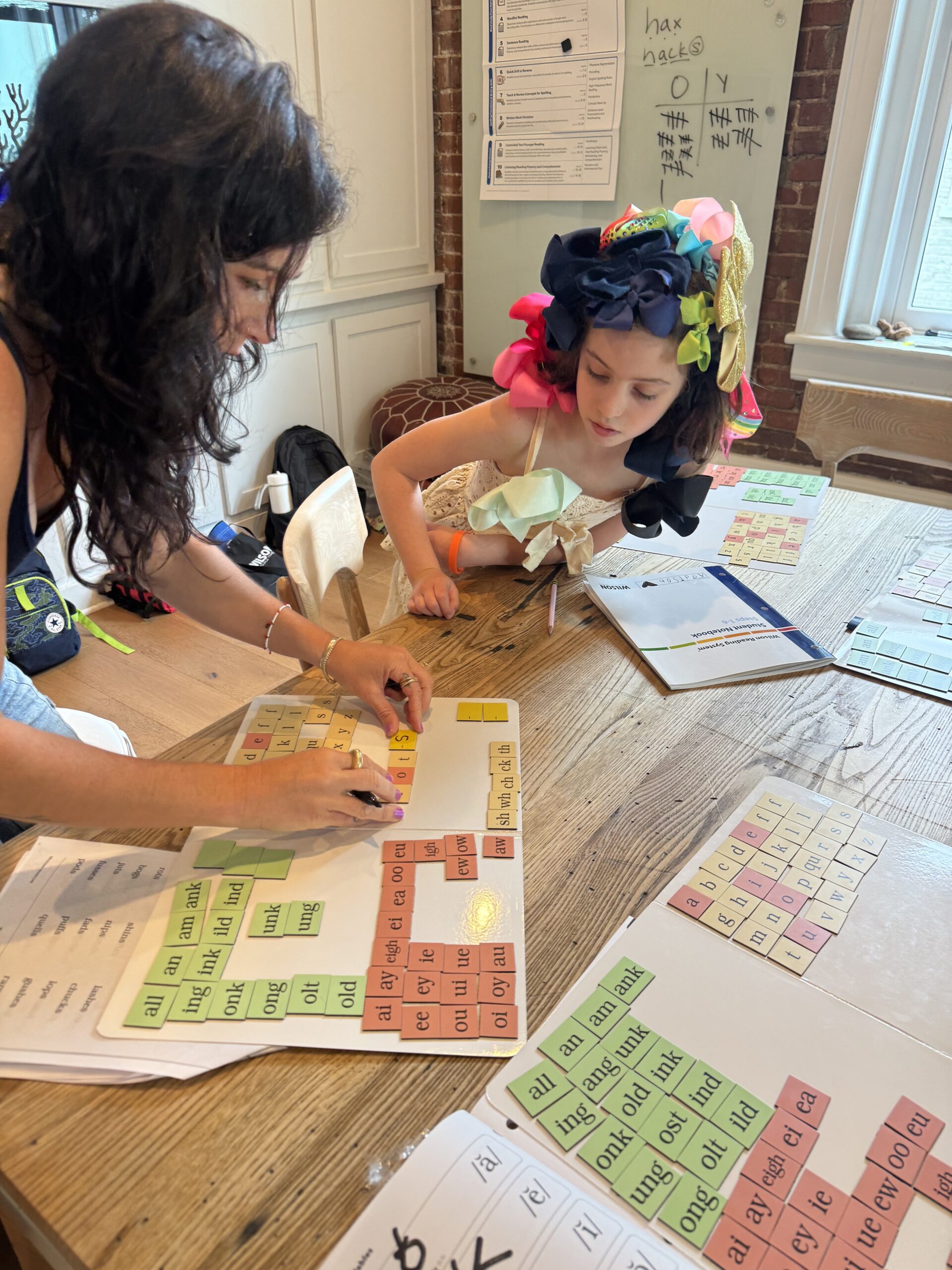
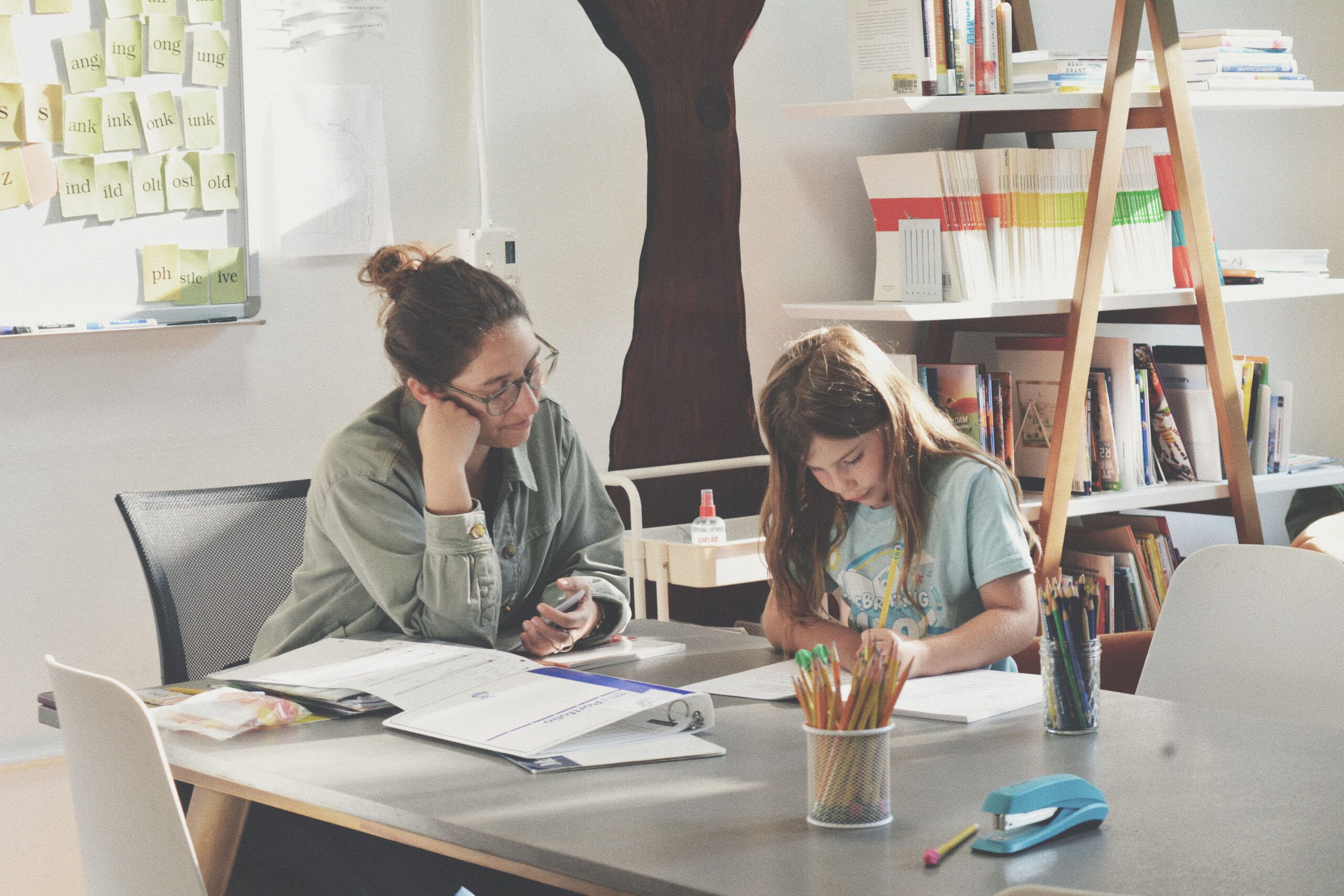
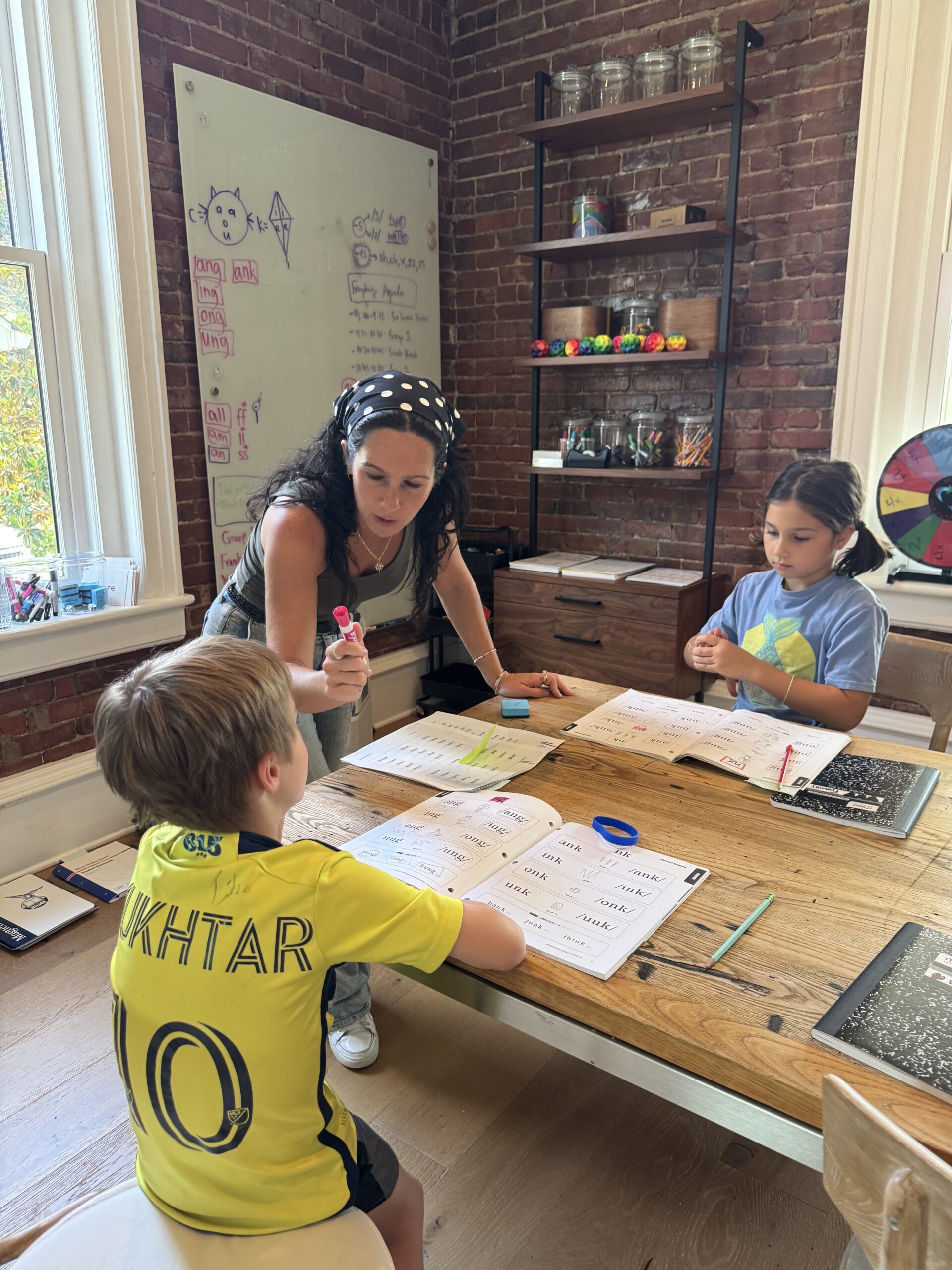
It is play-based and parent-included by design: sound games, rhyme, movement, songs, read-alouds, and print awareness — the ingredients the research points to — led by a Redwood educator inside a space families already love. Class sizes are small, and every enrolled child gets a monthly progress note plus a quarterly summary so you can actually see the skills building.
Details and enrollment open closer to launch. To be first in line, book a free 15-minute call with Kait or visit our Nashville Learning Center page.
Coming next: early literacy classes in Chicago and Nashville
We are bringing early literacy programming into our in-person Learning Centers in both Chicago and Nashville. If you have a toddler or preschooler and you want to be notified when classes open in your neighborhood, reach out and we will add you to the list.
The bottom line
It is never too early to invest in your child’s literacy — and now there is brain science putting a number on “early.” Eighteen months. Not third grade. Screening a three-year-old costs you twenty minutes. Waiting can cost years.
Next steps: East Nashville families — ask your preschool about Redwood’s free literacy screening, or book a free 15-minute call with Kait to get started today. Preschool directors — contact us to book a screening day. Everyone else — watch for early literacy classes at our Chicago and Nashville Learning Centers.
Source: Turesky, T. K., Escalante, E. S., Loh, M., & Gaab, N. (2025). Longitudinal trajectories of brain development from infancy to school age and their relationship with literacy development. PNAS, 122(24), e2414598122. doi.org/10.1073/pnas.2414598122