Yes. Your child with dyslexia can have a successful career. They are going to be okay if they get the support and the skills they need to find their version of success.
I say that as someone who has worked with people with dyslexia for fifteen years. I’m also married to a man with dyslexia, and I have a child with dyslexia. This is personal for me. I believe deeply in the brilliance of the dyslexic brain.
There are a million ways to be successful
When we push our own picture of success onto our child, it gets a lot harder for them to find their way. What works is giving them skills and supports that fit how their brain is wired. That means their brain, not the brain you wish they had and not your own.
When we do that, kids with dyslexia find their own pathway to success.
What dyslexia changes long term, and what it doesn’t
Dyslexia doesn’t go away. It’s a difference in how the brain processes language. There is nothing wrong with having dyslexia, but it often makes learning to read, and getting through a structured school system, harder.
Reading is also a pretty modern demand. In 1820, only about 1 in 10 adults in the world could read. Today it’s almost 9 in 10. A brain that finds reading hard isn’t broken. It just lives in a time when reading matters a lot.
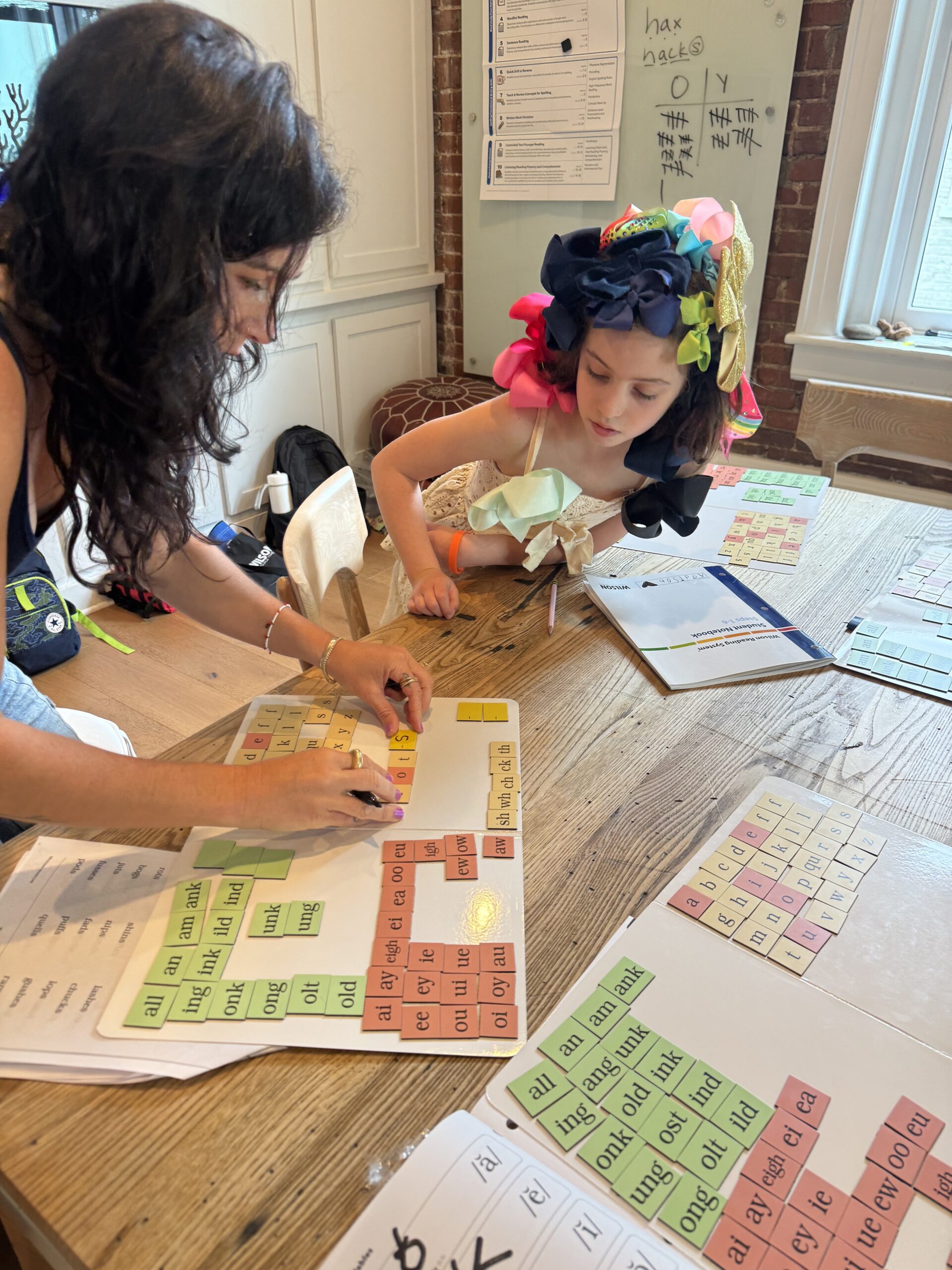
Here’s the good news. With the right instruction, we can build automatic pathways in your child’s brain so that reading and writing become automatic. We can give them the foundational skills they need to do well in a general education classroom and to go after anything they want.
Their dyslexic brain stays. We don’t want it to go away.
The strengths I see over and over
Dyslexia is a spectrum, and no two kids are the same, so I don’t like stereotypes in either direction. But these are themes I see again and again in the dyslexic students I work with:
- Outside the box thinking. They see problems from angles other people miss.
- People skills. Many learn to use communication and relationships in really unique ways.
- A different perspective on a team. They process language differently, so they bring something new to group work.
- Visualization. Not always, but many have incredible visual thinking skills.
- Resilience. They learn to reach the same destination as their peers by a different route. That is a real job skill.
Employers notice. GCHQ, the UK’s intelligence agency, actively recruits people with dyslexia and calls dyslexic thinking skills “mission critical.”
What it looks like years later
I’ve worked with countless students who started years behind. Some of them didn’t come to us until middle or high school. Others we met at the very beginning, and that’s a much less painful journey.
One student couldn’t read in eighth grade. That student learned to read, earned a full ride scholarship to a four year university, and now serves with the Chicago Police Department. (Thinking about college? Watch College Admissions for Students with Dyslexia, Dysgraphia & Dyscalculia.)
Our former students are going into environmental work, engineering and all kinds of other fields. Want to be a doctor? There’s nothing you can’t do. Dyslexia doesn’t limit your ability to build a successful career. It changes how you get there and the support you’ll need along the way.
Can a child with dyslexia have a successful career in any field?
Yes. No career is off limits. It’s about figuring out which foundational skills a career needs and finding your way to them.
And we have to grow a child’s strengths as much as we fill in their gaps. If we only focus on the gaps, we hold a kid back.
What separates kids who thrive from kids who struggle
A twenty year study from the Frostig Center followed students with learning differences into adulthood. What predicted who thrived as adults, at home and in a successful career, wasn’t IQ or grades. It was a set of habits: self-awareness, proactivity, perseverance, goal setting, support systems and emotional coping (Raskind et al., 1999).
Every one of those can be taught. At Redwood Literacy we teach them through our Plan in Hand™ framework:
- It’s on me. Take ownership of your own success.
- Know yourself. Understand how you learn.
- Name the destination. Set real goals.
- Take action. Move toward those goals.
- Try a new way. Persevere. If something isn’t working, don’t push harder. Try a different way.
- Ask for the right help. Asking for help is a skill.
- Weather, not climate. A hard night is weather. A trend over months is climate. Learn to ride out the hard emotions.
- It’s never too late to start again. Protect the embers, so when it feels like you’re starting over, you can.
What you can do now
Run two jobs at the same time.
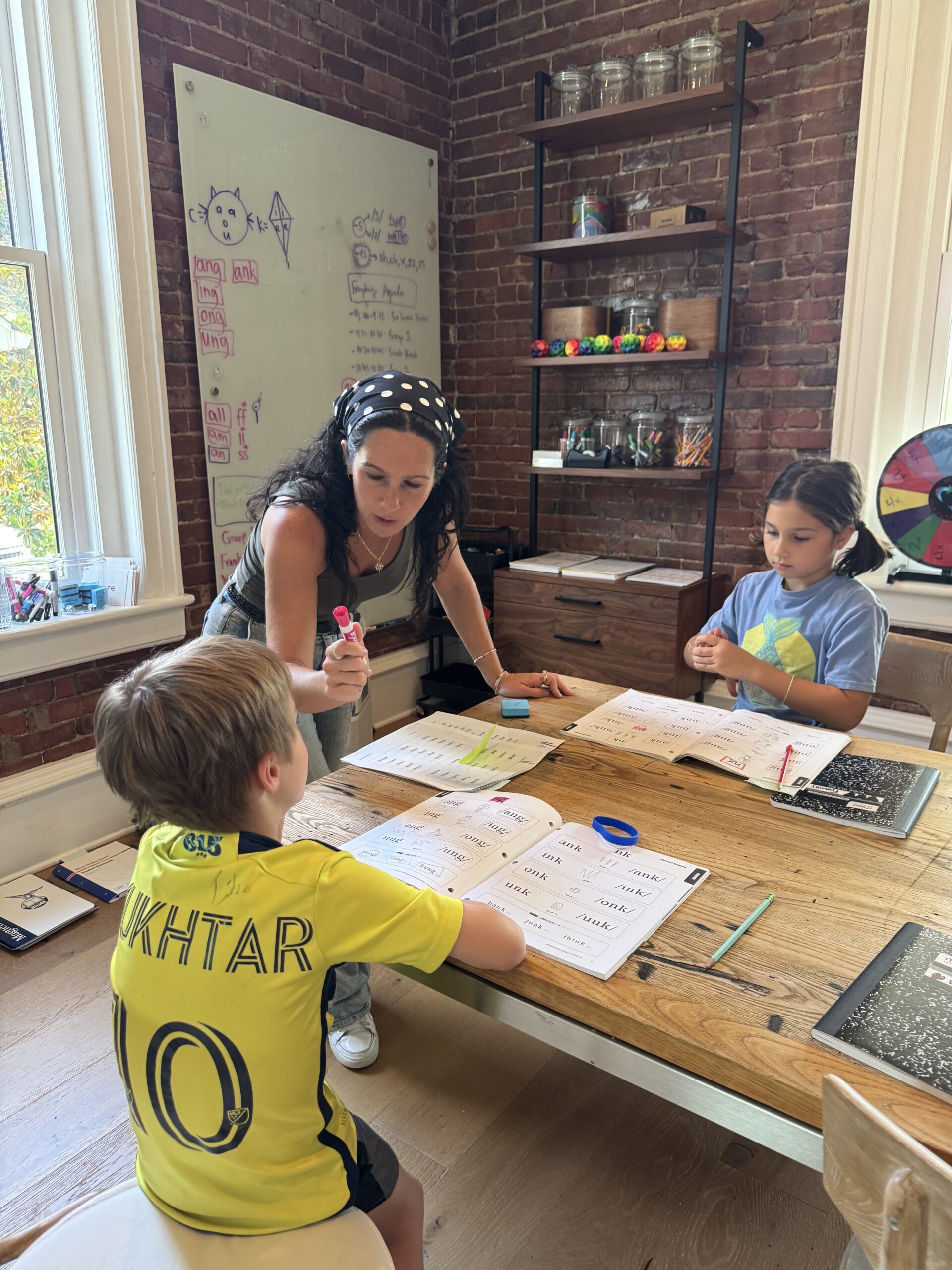
- Teach the skill. Explicit, structured teaching of how reading and writing work. It’s slow and steady, measured in months, and it’s what closes the gap.
- Give access now. Tools that let your child learn and show what they know today, while those skills catch up.
Use tools that protect your child’s energy. Assistive technology isn’t cheating. It’s glasses for learning.
- Audiobooks: Libby is free with a public library card. Have your child follow the words while they listen.
- Voice typing: Google Docs (Tools, then Voice typing) or the microphone on a phone keyboard. Say it first, fix it second.
- Typing practice: ten minutes a day before leaning on word prediction.
More on this in our post on how assistive technology levels the playing field.
Build the habits at home, two minutes a day.
- Ask: “What felt easy today, and what felt hard?” Help your child describe how they learn in words that aren’t insults.
- Give real choices about homework: what to do first, where to sit, which tool to use.
- Write down one goal small enough to reach this month.
- Practice asking for help: “Can you read the directions out loud?”
Partner with school. You see homework. School sees the classroom. Your child needs both views, so share what you notice with their teacher.
Two myths to retire
“Dyslexia just means you’re not as good at something.” I recently heard someone say they have dyslexia “for directions.” Dyslexia isn’t a general weakness. It’s a very specific brain wiring, and it has nothing to do with how smart someone is.
“Dyslexia is seeing letters backwards.” It’s a difference in how the brain processes language. It isn’t a vision problem.
If you’re reading this late at night
Your child is going to be okay. Give them the skills, the supports and the belief that their way of getting there counts. There are a million ways to be successful, and they get to find theirs.
If you want to talk through where your child is right now, book a free consultation with our team. We’ll help you build a plan. We stand behind it with our 12-week DIBELS® guarantee.
Quick answers
Can a person with dyslexia be successful?
Yes. Dyslexia affects how someone learns to read and write, not their intelligence or their potential. With the right instruction and support, people with dyslexia build a successful career in every field.
What careers are good for people with dyslexia?
Any career. Many dyslexic people do especially well in work that uses big picture thinking, visual reasoning, problem solving and people skills, but no field is off limits.
Does dyslexia go away?
No. Dyslexia is lifelong. With structured literacy instruction, reading and writing can become automatic, and the strengths of the dyslexic brain stay.
Kait Feriante is the co-founder and CEO of Redwood Literacy. She has worked with students with dyslexia for fifteen years.